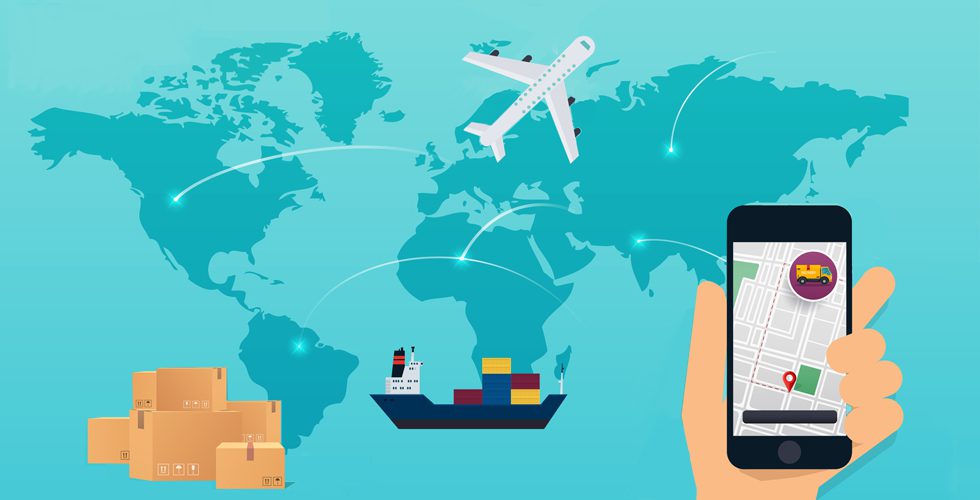
Our globe is more and more interconnected and our shopping and economic lives have spread well beyond national lines. Today, it is quite normal to buy a classic watch in a shop in Tokyo, get electronic components from a specialised facility in Shenzhen or wait for a large shipment of winter jackets organised by regional Baltic logistics networks. This worldwide marketplace is a great convenience but also a big administrative headache in the shape of logistics management. If the inbound items are travelling through dozens of various national postal agencies and private courier networks, tracking their progress might be a tiresome process.
This is where consolidated package tracking services come into play for a lot of customers and business owners. These digital solutions serve as one primary hub that pulls data from hundreds of various transportation systems to show you exactly where your goods are, in real-time. But there are tracking platforms that are not created equal. Finding one that’s actually thorough of all the main carriers globally takes a bit of an eye and a grasp of what makes a tracking system truly comprehensive.
You must first appreciate the enormity of the global logistics ecosystem to begin your quest. There are more than simply two or three big corporate courier services that control the international shipping scene. Instead it is a highly dispersed system of national postal providers, regional specialists and local delivery partners. A parcel from Northern Europe, for example, may be initially shipped by a regional provider that uses Itella tracking systems. Once the parcel has left the country it was sent from it could be passed off to a completely different national post office or a local last mile courier in the country it is going to.
A genuinely global tracking platform needs to be able to translate and display this handoff effortlessly. If a platform only works with the biggest global couriers and ignores regional networks or national postal systems, you’re undoubtedly going to run into a data blind spot. So, the first consideration for picking a platform is the depth of its carrier network. You want a provider that says it has hundreds of carriers integrated all around the world, including private couriers and public postal networks. The platform should be able to instantly recognise tracking numbers from different entities. So if you scan your item through an express air service or through Itella tracking, the platform is able to understand the unique barcode and show you the status right away.
Another key aspect to consider is the intelligence of the auto-detect technology of the platform. Every shipping company has its own unique tracking number format . Tracking numbers can be numbers of different lengths, letters or complicated combinations of letters and numbers . A crappy tracking program will make you select your carrier from a big drop-down menu before you can get your update. This isn’t what a convenient hub is for. A good global tracking platform has advanced algorithms that will automatically identify the carrier based merely on the format of the tracking number. Paste your code into the search bar and the system should inform you in an instant whether it belongs to a transatlantic air courier, a national postal service or an Eastern European network based on Itella tracking. Not only does this automated detection save valuable time, but also removes the frustration of trying to figure out who has your merchandise now.
“Besides identifying the carrier, the platform must provide real end-to-end visibility. Most basic tracking sites only update when a parcel is in the nation of origin. Customs is cleared, the item is handed to a local delivery partner and then the tracking history goes cold. You are left in the dark on the most important last leg of the journey. The whole chain of custody will be actively monitored by a premium worldwide tracking system. It will map the existing export code to the new import code supplied by the local delivery agent. Say, a merchant sends a box from a locker network using Itella tracking, then a good platform will not cease updating when the package crosses a border. It will keep pinging the next transit partners in the queue until your parcel is securely in your hands or your local collection locker.
As well, user experience and interface design should be a huge part of your decision-making process. The last thing you want is to be presented with a cluttered, confused screen full of invasive adverts or incomprehensible lingo if you’re managing many shipments simultaneously. The top solutions provide a clear, straightforward dashboard where you can see all of your active shipments in one look. Many of these platforms will allow you to register a free account to preserve your tracking numbers so you don’t have to copy and paste them every time you want an update. Look for options like custom naming, which allows you to identify a tracking number as “New Office Chair” or “Birthday Gift” instead of memorising a long string of numbers. And make sure that the platform has automated notifications. The best providers will email you or push a message to your phone when there is a substantial change in status, like a customs clearing event or notice that your product is out for delivery.
If you are running a business, you may need to look for advanced technical skills apart from specific consumer features. Many online sellers worldwide need tracking tools they can readily integrate with their own online shopfronts. In such cases, you need to choose a tracking platform that has a good application programming interface. This is usually referred to as an API. Your website automatically pulls the real-time delivery status data using the tracking API. This means your clients can track their purchase right there on your site instead of being sent to an outside tracking page. When choosing a business platform, make sure their API is extremely dependable, has very little downtime, and can process queries quickly for a broad range of domestic and international carriers. Specialised regional systems like Itella tracking can also be included.
Of course, data reliability itself is crucial. Some tracking websites do not query the carriers directly in real time but use cached data that may be updated only once or twice a day. This lag can create unpleasant circumstances when a product has already been delivered, but the tracking hub shows it waiting in a sorting warehouse hundreds of miles away. To avoid this, try a couple potential sites with active tracking numbers. Notice how quickly the platform updates compared to the carrier’s website directly. A better global tracking platform will give you direct high-speed links to carrier databases, so when an update is entered into a system – either via a standard global air express network, or through local Itella tracking – the update will appear on your dashboard almost instantaneously.
Your search for the best platform begins with research. Check out online communities, forums, and tech blogs where logistics pros and regular buyers share their experiences. Research impartial evaluations to see how accurate the multi-carrier coverage of the platform is. Many users may highlight specifically how well a tracking tool works for niche international routes or regional postal providers. If you regularly buy from specific regions, such as the Baltic states or Scandinavia, you want to ensure the reviews agree that the platform handles regional networks that use Itella tracking smoothly.
The ideal parcel tracking platform is one that removes the complexities of international logistics and replaces it with clarity and peace of mind. If you think about deep carrier integration, smart automatic identification, smooth cross-border tracking and easy-to-use dashboard, you will discover a platform that brings the entire global delivery network to your screen. You might be a casual shopper waiting for a single overseas delivery, or you could be an online retailer dealing with hundreds of customer shipments every week. Either way, spending a little time looking for the right universal tracking hub will save you countless hours of stress and keep you firmly in control of your global deliveries.